


How Early Civilizations Organized Daily Life
What food, work, belief, and community looked like before modern systems existed.
Most people in history did not live dramatic lives. They woke up, worked, ate, and lived in communities. They did not fight in famous battles. They did not build pyramids. They did not attend royal courts.
They farmed. They raised children. They repaired tools. They gathered with neighbors. They observed rituals. They solved problems.
Textbooks focus on kings, wars, and monuments. But those events were rare interruptions in the steady rhythm of ordinary existence.
What made civilizations stable was not military conquest. It was the quiet systems that organized daily life.
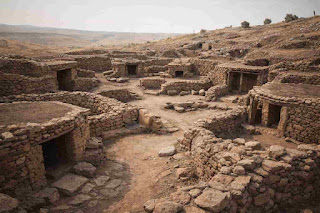 |
| “Civilizations were built on daily routines, not grand events.” |
Understanding how early people organized food, work, shelter, and community reveals more about civilization than any list of rulers ever could.
This article explores the structures that shaped everyday existence in early human societies. Not the exceptions. Not the spectacles. The patterns that repeated day after day for thousands of years.
Food and Survival Systems
Before agriculture, humans ate what they could find. Hunting. Gathering. Fishing. Foraging.
This required constant movement. Groups followed animal migrations. They harvested plants seasonally. They moved when resources declined.
Life was mobile, not chaotic. Hunter-gatherers developed deep knowledge of their environments. They knew which plants were edible. Which seasons brought specific animals. Where water could be found during droughts.
Then agriculture changed everything.
Farming allowed people to settle permanently. But it also created new demands.
Fields needed planting, watering, weeding, and harvesting. Crops required storage to last through non-growing seasons. Surplus needed protection from pests and thieves.
Food production became a structured system rather than a flexible activity.
Early farming communities organized their calendars around planting and harvest cycles. Work rhythms followed seasonal patterns. Religious festivals often marked agricultural transitions.
In simple terms: food was not just survival. It structured time, work, and cooperation.
River-based civilizations like Mesopotamia and Egypt relied on flood cycles. The Nile flooded predictably each year, depositing fertile silt. Communities organized entire societies around this rhythm.
Granaries became critical infrastructure. Storing surplus grain allowed populations to survive droughts and winters. It also created the first wealth disparities, as those who controlled storage controlled survival.
Communal food sharing remained common in many early societies. Feasts redistributed resources. Ritual meals reinforced social bonds. Hospitality was not just politeness. It was an economic safety net.
The same patterns of resource organization appear in how early agricultural systems created stable communities.
Work and Labor in Daily Life
Work in early civilizations was not employment. It was contribution.
Most people farmed. But not everyone. Complex societies required specialists.
Potters made storage vessels. Weavers produced cloth. Metalworkers forged tools. Builders constructed homes and temples. Priests managed rituals. Scribes kept records.
This division of labor happened naturally as populations grew. Farming surplus freed some people from constant food production. Those people developed specialized skills.
Work was often inherited. Children learned trades from parents. Potter families made pottery. Weaver families wove cloth. Craft knowledge passed through generations.
Labor was local. Most people worked within walking distance of their homes. They knew their neighbors. They traded directly with other specialists.
This is the repeating mistake: assuming ancient work was primitive. It was not. It was deeply skilled and highly organized.
Seasonal rhythms shaped labor patterns. Farming required intense effort during planting and harvest. Between these periods, farmers repaired tools, maintained homes, and worked on communal projects.
Large construction projects like temples or irrigation canals often happened during agricultural off-seasons. This allowed communities to mobilize labor without disrupting food production.
Work defined social identity more than wealth did. A skilled craftsman held status. A productive farmer earned respect. Contribution to the community mattered.
There was no concept of retirement or career advancement. People worked until they physically could not. Elders shifted to lighter tasks. Knowledge transmission became their contribution.
Homes, Settlements, and Space
Early homes were simple but functional.
Materials depended on environment. Mesopotamians built with mud bricks. Egyptians used reeds and stone. Scandinavians used timber. Mediterranean societies used clay and stone.
Homes were small. Most families lived in single-room dwellings. Privacy as we understand it did not exist.
Settlements were not random. They were organized around practical needs.
Villages clustered near water sources. Streets formed naturally along common pathways. Communal spaces emerged for shared activities.
Many early cities had central gathering areas. Marketplaces. Temple courtyards. Public wells. These spaces facilitated trade, ritual, and social interaction.
Homes often shared walls. Courtyards connected multiple dwellings. Extended families lived in clusters rather than isolated units.
This density was not accidental. It was efficient. Shared walls saved materials. Courtyards provided ventilation and light. Proximity enabled cooperation.
Cities were intentionally structured around daily needs, not chaotic.
Storage was integrated into homes. Clay jars held grain. Baskets stored tools. Underground pits preserved perishable foods.
Fire was central to domestic life. Hearths provided heat, light, and cooking capability. They also served as social gathering points within homes.
Sanitation varied. Some cities developed drainage systems. Others relied on waste pits outside settlements. Public health was understood intuitively, even without germ theory.
The organization of physical space shaped social patterns. Close quarters encouraged cooperation. Shared resources required negotiation. Daily interaction built community cohesion.
Social Organization and Community
Family structures varied across cultures, but extended kinship was universal.
People did not live in isolated nuclear families. They lived in networks of relatives. Grandparents, aunts, uncles, cousins shared responsibilities.
Child-rearing was communal. Multiple adults supervised children. Elders taught traditions. Siblings cared for younger family members.
Clans and lineages defined broader identity. People traced ancestry through family lines. Clan membership determined marriage options, inheritance rights, and social obligations.
Leadership emerged from respect, not formal authority.
Elders held influence because they remembered past solutions to recurring problems. Skilled individuals gained status through demonstrated ability. Generosity created social capital.
This is the danger point: romanticizing cooperation as utopian. Early societies had conflicts. But they also had mechanisms for resolution that did not rely on centralized power.
Disputes were resolved through mediation. Community elders arbitrated disagreements. Public shaming enforced social norms. Restitution repaired harm.
Cooperation was practical, not idealistic. Survival required collective effort. Farming needed multiple hands. Construction demanded coordination. Defense required unity.
Communities celebrated together. Festivals marked agricultural cycles. Rituals honored ancestors. Feasts redistributed resources.
Social bonds were maintained through reciprocity. You helped your neighbor during harvest. They helped you during illness. Trust was built through repeated interaction.
The same patterns of mutual support appear in how early human communities developed collaborative systems.
Belief, Ritual, and Meaning
Religion was not separate from daily life. It was woven into every activity.
Planting began with rituals asking for fertility. Harvests ended with offerings of gratitude. Births required purification ceremonies. Deaths demanded proper burial rites.
Belief systems were not abstract theology. They were tools for organizing time and behavior.
Ritual calendars structured the year. Festivals marked seasonal transitions. Holy days determined when work stopped and communities gathered.
These calendars were practical. They reminded people when to plant, when to harvest, when to prepare for winter.
Shared ceremonies created social cohesion. Participating in rituals reinforced group identity. Believing the same stories unified communities.
Temples were not just places of worship. They were economic centers. They stored surplus grain. They employed craftsmen. They redistributed resources to the needy.
Priests managed ritual, but they also maintained calendars, recorded transactions, and advised leaders. Religious authority was administrative authority.
Belief systems explained what people could not control. Drought was divine displeasure. Floods were acts of gods. Illness was spiritual imbalance.
These explanations were not ignorance. They were meaning-making frameworks that helped people process uncertainty.
Ritual also regulated behavior. Taboos prevented harmful practices. Purification rituals encouraged hygiene. Fasting periods managed food scarcity.
In simple terms: religion structured daily existence more than we often recognize.
Order, Rules, and Conflict
Early societies had rules before they had written laws.
Customs governed behavior. Traditions dictated correct action. Social expectations were transmitted orally and reinforced through repetition.
Breaking customs carried consequences. Not legal punishment, but social exclusion. Shame. Loss of status. Damaged reputation.
In small communities, reputation mattered more than wealth. People depended on each other. Ostracism was economically devastating.
Conflict resolution relied on mediation rather than punishment.
When disputes arose, elders or respected community members arbitrated. The goal was not justice as abstract principle. It was restoring social harmony.
Restitution was common. If you damaged someone’s property, you repaired it or compensated them. If you harmed someone, you made amends publicly.
Social pressure enforced compliance. Communities were small. Everyone knew everyone. Deviation from norms was visible immediately.
This created strong conformity. Innovation was rare. Tradition was sacred. Change happened slowly.
Violence existed, but large-scale warfare was less common than often assumed. Most conflicts were interpersonal or between neighboring communities over resources.
The same informal authority structures appear in how societies maintained order without formal legal systems.
What This Tells Us About Human Society
Early civilizations prove that humans are naturally cooperative.
Complex organization existed long before modern institutions. Communities managed resources, resolved conflicts, and coordinated labor without centralized governments.
Daily systems mattered more than monuments. Pyramids and temples are impressive, but they were built on foundations of food production, labor organization, and social cohesion.
Understanding daily life changes how we see history.
We stop viewing the past as primitive. We recognize sophistication in different forms. We see that human intelligence has remained constant. Only tools have changed.
Early people solved the same fundamental problems we face: how to secure resources, organize work, raise children, maintain community, and find meaning.
Their solutions were adapted to their environments. Their technologies were different. But their cognitive abilities were identical to ours.
This is the repeating pattern: technology changes, but human nature remains constant.
We are not smarter than our ancestors. We simply have different tools and accumulated knowledge.
The Quiet Foundation of Civilization
History remembers kings and battles. Archaeology recovers daily life.
The routines that repeated across generations built civilizations more than any conquest ever did.
Farmers planting fields. Potters shaping clay. Families sharing meals. Elders teaching traditions. Communities gathering for rituals.
These actions were not dramatic. They were essential.
Civilizations survived when daily systems worked. They collapsed when those systems failed.
Understanding ordinary life reveals that history is not about exceptional individuals. It is about patterns of human organization that allow societies to function.
The past was not simpler. It was differently complex. And the people who lived it were not waiting to evolve into us. They were solving their problems with the same intelligence we use to solve ours.
Frequently Asked Questions
1. What do historians mean by daily life in ancient civilizations?
ANS: Daily life refers to how ordinary people lived, worked, ate, organized families, followed beliefs, and interacted within their communities.
2. Did all early civilizations organize life the same way?
ANS: While environments and cultures differed, most early civilizations shared systems for food production, labor division, community organization, and belief.
3. How did people manage food without modern technology?
ANS: Through seasonal planning, communal storage, preservation techniques, and sharing networks that redistributed resources during scarcity.
4. Were early societies more cooperative than modern ones?
ANS: Cooperation was necessary for survival in small communities. Modern societies have different structures but similar needs for collective organization.
5. Why do textbooks focus less on daily life?
ANS: Written records often focused on elites and major events, while daily life must be reconstructed through archaeology and material evidence.
6. What sources do historians use to study everyday life?
ANS: Archaeological excavations, material artifacts, settlement patterns, burial practices, and preserved organic remains provide evidence of daily activities.
7. Can we really compare ancient and modern daily routines?
ANS: Fundamental human needs remain constant. Technologies and social structures differ, but patterns of organizing food, work, family, and community are comparable.
8. How did work differ from modern employment?
ANS: Work was community contribution rather than wage labor. Most people worked locally, learned trades through family, and defined identity through skill rather than income.
9. What role did religion play in organizing daily life?
ANS: Religion structured calendars, regulated behavior, explained natural events, and created social cohesion through shared rituals and beliefs.
10. How were conflicts resolved without formal courts?
ANS: Through elder mediation, community arbitration, restitution, and social pressure. The goal was restoring harmony rather than abstract justice.
Sources
📚 Ian Morris, Why the West Rules—For Now
Comparative analysis of how different civilizations organized daily life and social development across history.
Published by Farrar, Straus and Giroux (2010).
🔗 Macmillan Publishers
📚 Yuval Noah Harari, Sapiens: A Brief History of Humankind
Examination of how early humans organized societies, cooperation patterns, and belief systems.
Published by Harper (2015).
🔗 Official Book Site
📚 Britannica History, Ancient Mesopotamia: Daily Life
Academic overview of food production, labor organization, family structures, and community patterns in early civilizations.
🔗 Britannica


